

Caravan to Midnight
The Rape of the Mind: The Psychology of Thought Control, Menticide, and Brainwashing
The Rape of the Mind: The Psychology of Thought Control, Menticide, and Brainwashing
Couldn't load pickup availability
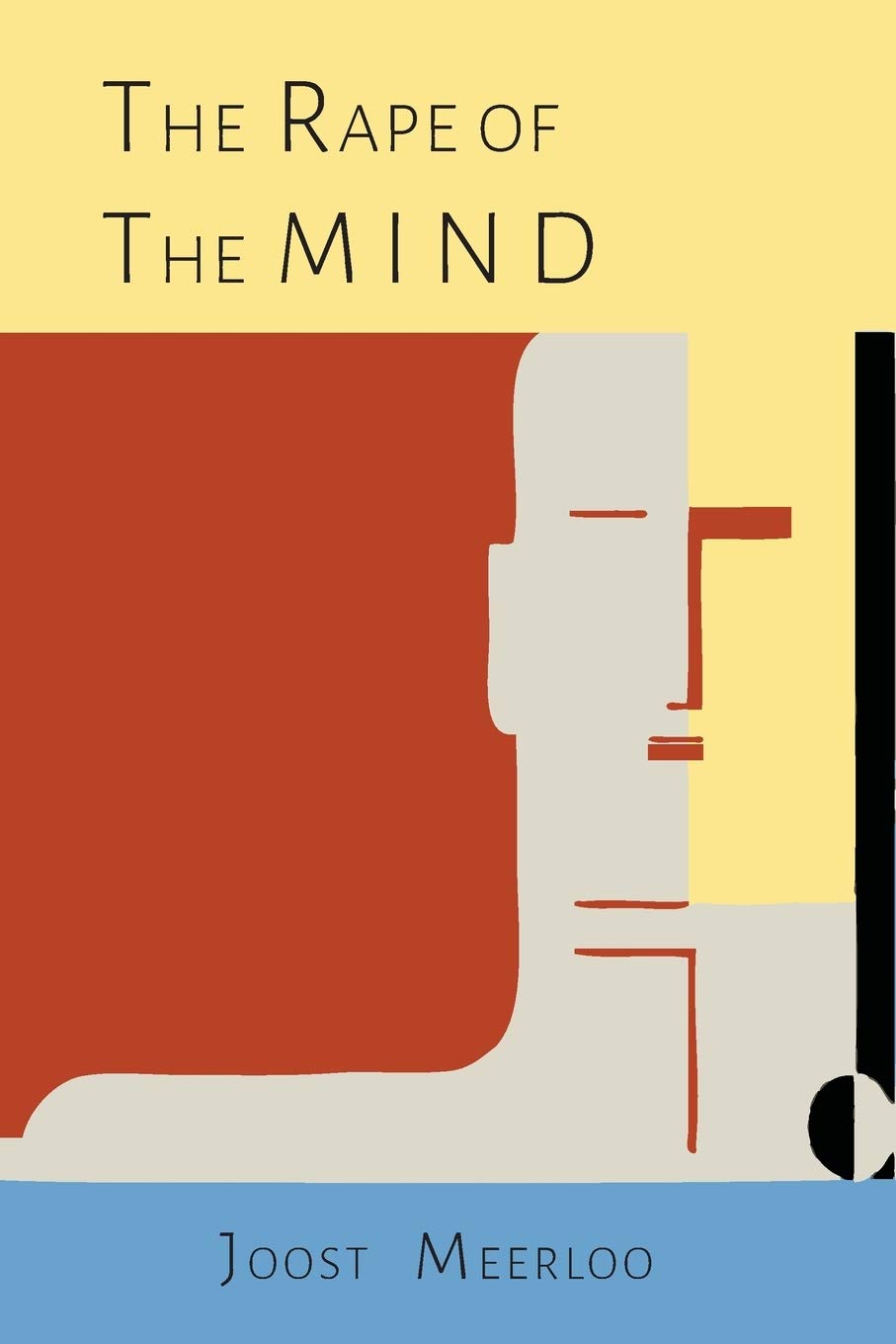
The Rape of the Mind.
First published in 1956 by the World Publishing Company, Meerloo's study describes the tactics used by totalitarian states — and asks why some people withstand them better than others.
“In 1933 Meerloo began to study the methods by which systematic mental pressure brings people to abject submission, and by which totalitarians imprint their subjective ‘truth’ on their victims' minds. In The Rape of the Mind he goes far beyond the direct military implications of mental torture to describing how our own culture unobtrusively shows symptoms of pressurizing people's minds. He presents a systematic analysis of the methods of brainwashing and mental torture and coercion, and shows how totalitarian strategy, with its use of mass psychology, leads to systematized ‘rape of the mind.’”
Publisher's descriptionHe had seen the methods first-hand.
Joost Meerloo was a Dutch physician and psychoanalyst — one of six children, and the only one of them to escape the Holocaust. He had experienced the thought-control tactics of totalitarian states directly before he ever sat down to analyse them.
He also coined the word that gives the book its subtitle: menticide, the killing of the spirit, for what he considered a distinct crime in its own right.
A full facsimile of the 1961 printing.
A 2015 reprint reproducing the original edition in full — not re-set, and not reproduced with optical recognition software. You are reading the pages as they were originally typeset.
- Author
- Joost A. M. Meerloo, M.D.
- First published
- 1956, World Publishing Company, Cleveland
- This edition
- 2015 reprint, full facsimile of the 1961 edition
- Subject
- Thought control, menticide and brainwashing
The shelf behind the broadcast.
Twelve years and 2,800 episodes of guests do not come from nowhere. This shelf is where a good deal of it starts — the books that keep turning up in conversations on the show, recommended because they were useful rather than because somebody was promoting them.
Some are centuries old. Some were published this decade. They are here because they reward the kind of reader who writes things down and goes and checks.
